Corcovado National Park: A Biodiversity Treasure
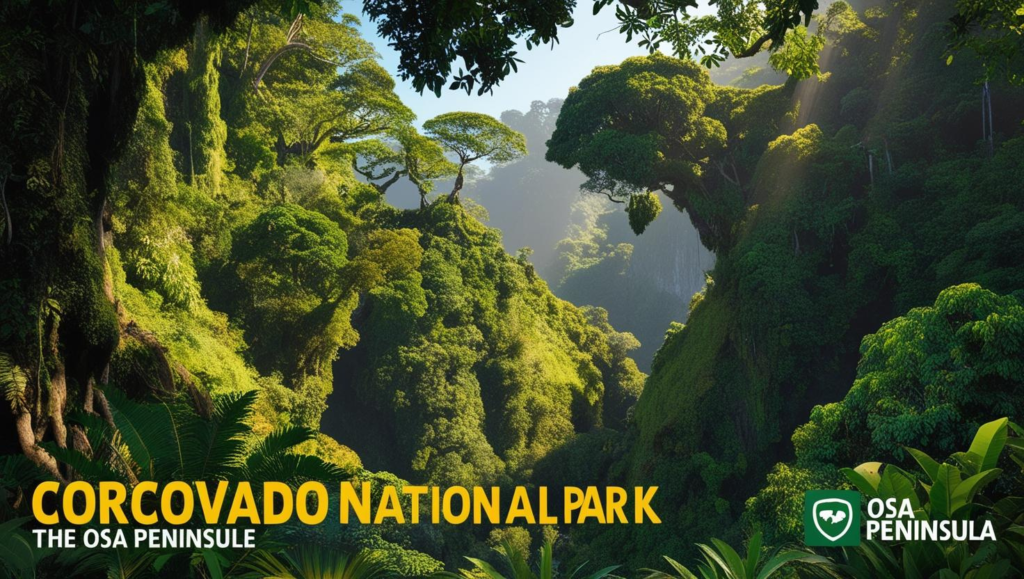
Corcovado National Park, located on Costa Rica’s remote Osa Peninsula, is one of the most biodiverse places on Earth. Covering over 164 square miles, this protected area encompasses rainforests, wetlands, mangroves, and coastline, offering a wild, untouched escape into nature.
Designated as a UNESCO World Heritage Site, Corcovado is home to more wildlife species per square mile than any other place in the world. Visitors can encounter howler monkeys, tapirs, jaguars, sloths, and hundreds of bird species, including the elusive scarlet macaw. The park’s diverse ecosystems make it a haven for wildlife enthusiasts and eco-travelers.
Exploration opportunities include guided hikes through dense rainforests, river kayaking, and exploring secluded beaches. The park’s trails lead visitors to breathtaking landscapes, waterfalls, and a variety of habitats. Remote yet accessible, Corcovado offers pristine beauty and a sense of adventure away from the crowds.
Whether you’re trekking through the jungle or exploring the coastline, Corcovado National Park provides a rare glimpse into a thriving, untouched natural paradise. It’s a must-visit for anyone seeking an authentic Costa Rican wilderness experience.
Top Things to Do in Corcovado National Park
1. Guided Hikes and Wildlife Spotting
- Corcovado is home to 2.5% of the planet’s biodiversity. Spot species like scarlet macaws, jaguars, tapirs, and humpback whales.
- Popular trails: Sirena Station trails (near the park’s core) and San Pedrillo Station trails.
- Tip: Hire a local guide for the best chances of spotting elusive animals.
2. Visit Sirena Biological Station
- Sirena is the heart of the park and offers a chance to experience its wild essence. Stay overnight or take a day trip.
- Activities: Night walks, wildlife observation, and exploring pristine beaches.
3. Birdwatching
- With over 400 species of birds, Corcovado is a birder’s paradise.
- Must-see species: Scarlet macaws, harpy eagles, and toucans.
4. Boat Tours and Snorkeling at Caño Island
- Located off the Osa Peninsula, Caño Island offers incredible snorkeling and diving opportunities.
- Spot manta rays, sea turtles, and colorful reef fish.
5. Swim at Lush Waterfalls
- Explore hidden waterfalls such as those near San Pedrillo Station or Los Patos Station.
6. Beach Exploration
- Corcovado’s secluded beaches are perfect for relaxing and exploring tide pools.
- Recommended beaches: Playa Madrigal and Playa Llorona.
7. Night Walks
- Experience the nocturnal side of Corcovado with guided night walks. Spot creatures like frogs, snakes, and insects.
8. Whale Watching
- The Osa Peninsula is a great spot for humpback whale migrations (July–November and December–April).
Best Places to Stay Near Corcovado National Park
Eco-Lodges
- Lapa Rios Lodge
- Location: Near Puerto Jiménez
- Features: Luxury eco-lodge with ocean and rainforest views, private bungalows, and guided tours.
- Great for: Sustainable travelers and those seeking high-end comfort.
- La Leona Eco Lodge
- Location: Close to Carate, near La Leona Ranger Station
- Features: Rustic beachfront bungalows surrounded by nature.
- Great for: Direct park access and serene beachfront stays.
- Drake Bay Wilderness Resort
- Location: Drake Bay
- Features: Family-friendly with comfortable rooms, tours to Corcovado, and snorkeling trips to Caño Island.
- Great for: Families and nature enthusiasts.
- El Remanso Lodge
- Location: Osa Peninsula rainforest
- Features: Solar-powered luxury lodge with gourmet meals and guided hikes.
- Great for: Couples and eco-conscious travelers.
Budget Options
- Cabinas Jiménez
- Location: Puerto Jiménez
- Features: Affordable rooms with waterfront views.
- Great for: Budget-conscious travelers exploring the Osa Peninsula.
- Drake Bay Backpackers
- Location: Drake Bay
- Features: Community-run, budget-friendly accommodations.
- Great for: Backpackers and solo travelers.
Tips for Visiting Corcovado
- Permits: You need a permit to enter the park, often included with guided tours.
- Best Time to Visit: Dry season (December–April) for easier access and better wildlife visibility.
- Packing Essentials: Sturdy hiking boots, lightweight clothing, binoculars, and eco-friendly insect repellent.
- Getting There: Fly to Puerto Jiménez or Drake Bay and arrange transportation to the park.
Enjoy your adventure in one of the most biodiverse regions on Earth!